


Atlanta Roof Inspection Guide: Scheduling Roof Inspections in Atlanta
- PremierAdmin

- Feb 20
- 5 min read
Maintaining a sturdy roof is essential for protecting your home and investment. Scheduling regular roof inspections helps you catch problems early and avoid costly repairs. If you live in Atlanta, understanding when and how to schedule a roof inspection can save you time, money, and stress. In this guide, I will walk you through everything you need to know about roof inspections in the Atlanta area.
Why You Should Follow the Atlanta Roof Inspection Guide
Atlanta’s climate presents unique challenges for roofs. The hot summers, heavy rains, and occasional storms can wear down roofing materials faster than in other regions. Scheduling inspections regularly ensures your roof stays in good condition and can handle these weather conditions.
Here are some reasons why following an Atlanta roof inspection guide is important:
Prevent water damage: Early detection of leaks or damaged shingles can prevent water from seeping into your home.
Extend roof lifespan: Regular maintenance keeps your roof functioning well for many years.
Protect your investment: Your home’s roof is a major asset. Keeping it in good shape preserves your property value.
Meet insurance requirements: Some insurance policies require proof of regular roof inspections.
Prepare for storms: Inspections before storm season can identify weak spots that need reinforcement.
Scheduling a roof inspection at least once a year is a good rule of thumb. You should also consider inspections after severe weather events like hailstorms or high winds.
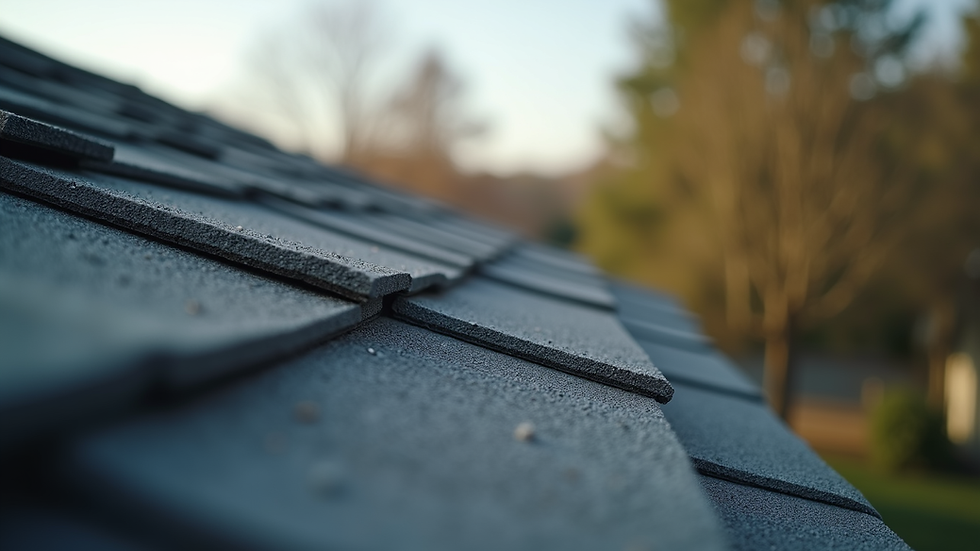
How to Schedule a Roof Inspection in Atlanta
Scheduling a roof inspection in Atlanta is straightforward if you know what to look for and who to call. Here are the steps I recommend:
Research local roofing companies: Look for companies with good reviews and experience in the Atlanta area.
Check for licensing and insurance: Make sure the company is licensed and insured to protect yourself from liability.
Request a free estimate: Many companies, including Premier Roofing and Construction, LLC, offer free estimates.
Ask about financing options: If you need repairs, financing can make the cost manageable.
Schedule the inspection: Choose a convenient date and time. Inspections usually take 30 minutes to an hour.
Prepare your property: Clear any obstacles around your home to give the inspector easy access.
When you contact a roofing company, be clear about your concerns and any recent weather events that might have affected your roof. This helps the inspector focus on potential problem areas.
If you want to learn more or schedule a professional roof inspection Atlanta, Premier Roofing and Construction, LLC is a trusted choice in the metro area.
What Does a Roofing Inspection Consist Of?
Understanding what happens during a roof inspection can help you feel confident about the process. Here’s what a typical roofing inspection includes:
Visual examination of shingles or roofing material: The inspector looks for missing, cracked, or curling shingles.
Checking for signs of leaks: Inside the attic or ceiling, the inspector looks for water stains or mold.
Inspecting flashing and seals: These areas around chimneys, vents, and skylights are common leak points.
Examining gutters and downspouts: Proper drainage is essential to prevent water damage.
Assessing roof structure: The inspector checks for sagging or other structural issues.
Looking for debris or moss: These can trap moisture and damage the roof.
Documenting findings: The inspector provides a detailed report with photos and recommendations.
After the inspection, you will receive a clear summary of your roof’s condition. This report helps you decide if repairs or maintenance are needed now or in the future.

Signs You Should Schedule a Roof Inspection Immediately
While annual inspections are ideal, some situations require immediate attention. If you notice any of the following signs, schedule a roof inspection as soon as possible:
Missing or damaged shingles: Wind or hail can tear shingles off your roof.
Leaks or water stains inside your home: These indicate active roof damage.
Granules in gutters: Excess granules mean your shingles are deteriorating.
Sagging roof deck: This could signal structural damage.
Moss or algae growth: These can cause long-term damage if left untreated.
After a storm: Hail, heavy rain, or wind can cause hidden damage.
Age of your roof: If your roof is over 20 years old, inspections should be more frequent.
Ignoring these signs can lead to more extensive damage and higher repair costs. A timely inspection can catch problems early and save you money.
Benefits of Choosing a Local Atlanta Roofing Company
Selecting a local roofing company for your inspection has several advantages:
Knowledge of local weather and building codes: Local companies understand Atlanta’s climate and regulations.
Faster response times: They can schedule inspections and repairs quickly.
Support local economy: Hiring local businesses helps the community thrive.
Personalized service: Local companies often provide more attentive customer care.
Access to local suppliers: This can reduce material costs and delays.
Premier Roofing and Construction, LLC is a local company that offers comprehensive roofing services, including free estimates and financing options. Their team is familiar with Atlanta’s roofing challenges and committed to quality work.
Tips for Maintaining Your Roof Between Inspections
Keeping your roof in good shape between inspections can prevent many common problems. Here are some practical tips:
Keep gutters clean: Remove leaves and debris regularly to ensure proper drainage.
Trim overhanging branches: This prevents damage from falling limbs and reduces moss growth.
Check attic ventilation: Proper airflow helps prevent moisture buildup.
Remove debris from the roof: Leaves and sticks can trap moisture and cause rot.
Inspect after storms: Look for visible damage and schedule an inspection if needed.
Avoid walking on the roof: This can cause damage unless necessary and done carefully.
Regular maintenance combined with professional inspections will keep your roof strong and reliable.
Planning Your Roof Inspection Schedule
To stay on top of your roof’s condition, create a schedule that fits your needs:
Annual inspections: Schedule one inspection every year, preferably in spring or fall.
Post-storm inspections: After severe weather, arrange an inspection to check for damage.
Before selling your home: A roof inspection can reassure buyers and increase property value.
Before major renovations: Ensure your roof is sound before investing in other home improvements.
Mark these dates on your calendar and set reminders. Staying proactive helps you avoid unexpected problems.
Scheduling a roof inspection in Atlanta is a smart step toward protecting your home. By following this guide, you can find a reliable local company, understand the inspection process, and maintain your roof effectively. Remember, a well-maintained roof means peace of mind and long-term savings.
If you want expert help, consider reaching out to Premier Roofing and Construction, LLC for a professional roof inspection Atlanta. They offer free estimates, financing, and comprehensive roofing solutions tailored to your needs.


Comments