


Roof Leak Detection Methods Made Easy

Detecting a roof leak early can save you from costly repairs and damage to your home. When water starts to seep through your roof, it can cause structural issues, mold growth, and damage to your belongings. Knowing how to spot the signs and understanding the methods to find leaks will help you act quickly and protect your property.
Common Signs of Roof Leaks
The first step in addressing a roof leak is recognizing the warning signs. You don’t need to be a roofing expert to notice these indicators. Here are some common signs to watch for:
Water stains on ceilings or walls: Brown or yellow discoloration often means water has penetrated your roof.
Dripping water or puddles: Obvious but sometimes hidden in attics or crawl spaces.
Mold or mildew growth: Damp areas encourage mold, which can be harmful to health.
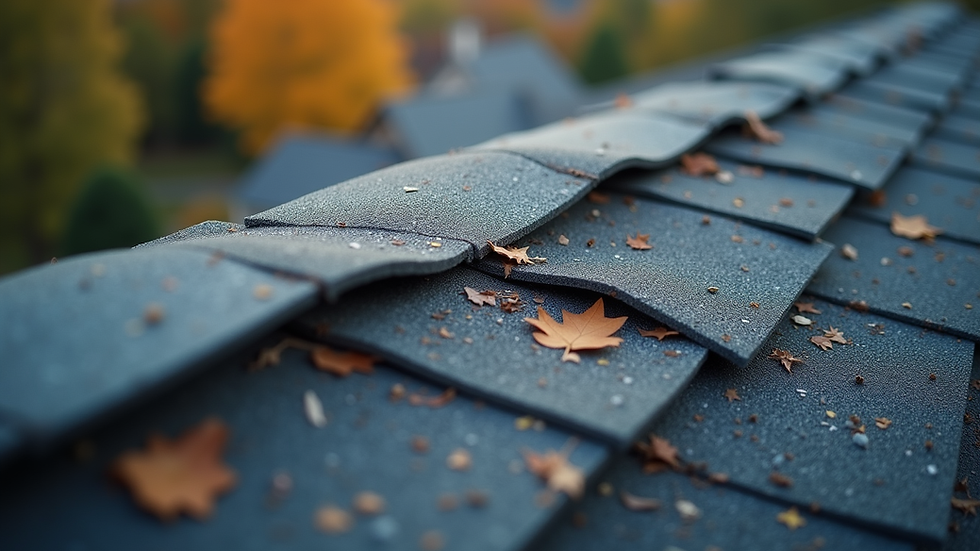
Damaged or missing shingles: Shingles that are cracked, curled, or gone can let water in.
Sagging roof deck: A soft or sagging area on the roof surface indicates water damage.
Musty odors: Persistent damp smells inside your home can signal hidden leaks.
If you notice any of these signs, it’s time to investigate further.

Effective Roof Leak Detection Methods
There are several practical ways to detect roof leaks. Some methods you can try yourself, while others may require professional tools or expertise. Here’s a breakdown of the most effective roof leak detection methods:
Visual Inspection
Start with a thorough visual check of your roof and attic. Look for damaged shingles, cracked flashing, or clogged gutters. Inside, inspect ceilings, walls, and attic insulation for signs of moisture.
Water Hose Test
If you suspect a leak but can’t find the source, use a garden hose to simulate rain. Have someone inside the house watch for water intrusion while you spray sections of the roof. Move slowly and focus on areas around chimneys, vents, and skylights.
Infrared Thermography
Professionals use infrared cameras to detect temperature differences caused by moisture. Wet areas retain heat differently than dry ones, making leaks easier to spot even when hidden.
Smoke Testing
This method involves blowing smoke into the attic or roof space. The smoke will escape through any cracks or holes, revealing leak points.
Ultrasonic Leak Detection
Ultrasonic devices pick up the sound of water dripping or air escaping through leaks. This technology is useful for finding leaks in hard-to-reach areas.
Using these methods can help you pinpoint the exact location of a leak before it worsens.
How do plumbers find hidden leaks?
Plumbers often deal with leaks inside walls and ceilings, which can be tricky to locate. They use specialized tools and techniques to find hidden leaks quickly and accurately:
Moisture meters: These devices measure moisture levels in building materials to identify damp spots.
Thermal imaging cameras: Like roof inspectors, plumbers use these to detect temperature changes caused by water.
Acoustic leak detectors: These pick up the sound of water escaping from pipes or fixtures.
Video pipe inspection: Small cameras inserted into pipes help locate blockages or leaks inside plumbing systems.
By combining these tools with experience, plumbers can find leaks that are not visible to the naked eye. If you suspect a leak inside your home, consulting a plumber can save time and prevent further damage.
Steps to Take After Detecting a Leak
Once you’ve found a leak, it’s important to act quickly. Here’s what you should do:
Document the damage: Take photos and notes of the affected areas for insurance purposes.
Contain the water: Use buckets or towels to catch drips and protect your belongings.
Avoid DIY fixes on major leaks: Temporary patches can help, but professional repairs are often necessary.
Schedule a professional inspection: A roofing expert can assess the damage and recommend the best repair options.
Check your insurance policy: Understand what coverage you have for roof damage and leaks.
Prompt action can prevent minor leaks from turning into major problems.
Preventing Future Roof Leaks
Prevention is always better than repair. Here are some tips to keep your roof in good condition and avoid leaks:
Regular roof inspections: Have your roof checked at least twice a year, especially after storms.
Clean gutters and downspouts: Blocked gutters can cause water to back up and damage your roof.
Trim overhanging branches: Limbs rubbing against shingles can cause wear and tear.
Maintain attic ventilation: Proper airflow reduces moisture buildup that can lead to leaks.
Replace damaged shingles promptly: Don’t wait for leaks to appear before fixing visible damage.
Taking these steps will extend the life of your roof and protect your home.
If you want to learn more about roof leak detection, consider reaching out to a trusted local roofing company. They can provide expert advice and reliable service tailored to your needs.
Taking Control of Your Roof’s Health
Detecting and addressing roof leaks doesn’t have to be overwhelming. By knowing what to look for and how to find leaks, you can protect your home and avoid costly repairs. Remember to inspect your roof regularly, act quickly when you spot problems, and seek professional help when needed.
Your roof is a critical part of your home’s defense against the elements. Taking care of it today means peace of mind tomorrow.


Comments